
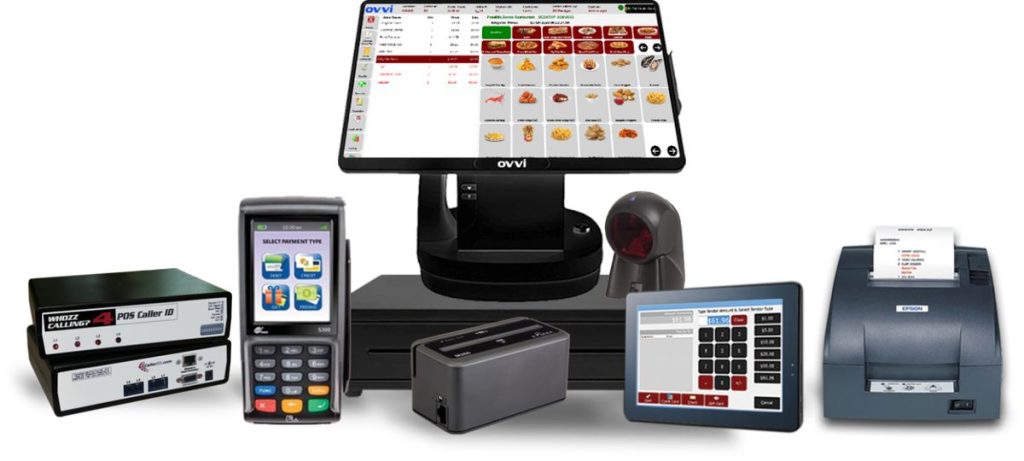
Benefits of Using a POS System for Kenyan Retail Businesses
Retail businesses in Kenya operate in a fast-paced and competitive environment. From supermarkets and mini-marts to electronics shops, pharmacies, and fashion boutiques, customers expect speed, accuracy, and convenience. Managing sales and inventory manually is no longer practical and often leads to errors, losses, and poor customer experiences. A modern Point of Sale (POS) system provides Kenyan retailers with the tools they need to operate efficiently, maintain control, and increase profitability.
1. Faster and More Accurate Sales Transactions
A POS system simplifies the checkout process by automating pricing, calculations, and payment recording. Cashiers can complete transactions quickly, reducing queues and improving customer satisfaction. Accurate sales processing also minimizes pricing errors and disputes, which are common in manual systems.
2. Real-Time Inventory Management
Stock control is one of the biggest challenges facing Kenyan retailers. A POS system automatically updates inventory after every sale, giving business owners real-time visibility into stock levels. This helps retailers know which products are selling fast, which items are running low, and when to reorder. Proper inventory management prevents overstocking, understocking, and unnecessary losses.
3. Reduced Theft and Operational Losses
Retail losses often occur due to pilferage, poor record keeping, or lack of accountability. A POS system records every transaction and tracks staff activity, including refunds, discounts, and voided sales. This transparency discourages theft, improves accountability, and helps business owners identify irregularities early.
4. Improved Customer Experience
Customers value speed and professionalism. POS systems support multiple payment options such as cash, MPESA, card payments, and digital wallets. Some systems also support loyalty programs, electronic receipts, and promotions. These features enhance customer satisfaction and encourage repeat business.
5. Detailed Sales and Performance Reports
A POS system generates clear reports on daily sales, profit margins, best-selling products, and peak business hours. These insights help Kenyan retailers make informed decisions, plan promotions, and adjust pricing strategies based on actual performance data rather than guesswork.
6. Simplified Accounting and Financial Tracking
Manual bookkeeping is time-consuming and prone to errors. POS systems organize sales data automatically, making accounting easier and more accurate. Many systems allow data export to accounting software, saving time and reducing the risk of financial inconsistencies.
7. Seamless MPESA Integration
MPESA is the most popular payment method in Kenya. Modern POS systems integrate seamlessly with MPESA Till and Paybill numbers, allowing automatic payment confirmation and accurate reconciliation. This reduces confusion during busy hours and improves financial accuracy.
8. Support for Business Growth and Multiple Branches
As retail businesses grow, managing operations manually becomes difficult. POS systems allow retailers to manage multiple branches from a single dashboard, monitor performance across locations, and maintain consistent pricing. This scalability supports expansion without losing operational control.
How Softlink Options Supports Kenyan Retailers
Softlink Options provides reliable POS systems tailored for Kenyan retail businesses. Our solutions are designed to improve sales accuracy, strengthen inventory control, reduce losses, and enhance customer experience. Whether you run a single shop or multiple outlets, our POS systems help you operate efficiently and confidently. For inquiries or demonstrations, reach our team through our Contact Us page.
Final Thoughts
Using a POS system is no longer optional for Kenyan retail businesses that want to remain competitive. It improves efficiency, reduces losses, enhances customer satisfaction, and provides valuable insights for growth. Retailers who adopt modern POS systems position themselves for long-term success in an increasingly digital marketplace.
